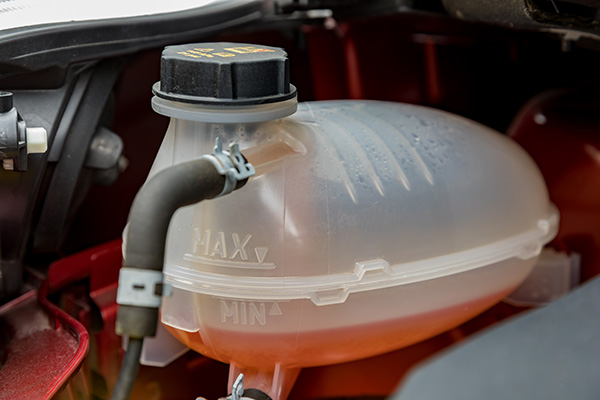
Coolant is one of those fluids people almost forget exists until they see steam or a temperature gauge climbing. What you do not see is the slow chemical change happening inside the engine long before it overheats. Old coolant quietly eats away at metal from the inside, and by the time the damage shows up, you are often looking at repairs far beyond a simple flush.
Why Coolant Does More Than Just Prevent Overheating
Most drivers think of coolant as colored water that keeps the engine from boiling over or freezing. In reality, it is a carefully blended fluid that also carries corrosion inhibitors, lubricants for the water pump, and additives to protect aluminum, steel, and rubber. When it is fresh, it keeps temperatures stable and surfaces protected.
As miles and years go by, those protective additives are used up. The coolant still looks “wet and colorful,” but its chemistry is different. At that point, the system is far more vulnerable to rust, scale, and internal corrosion, even if the gauge never climbs into the danger zone.
What Happens Inside Your Cooling System Over Time
Every heat cycle, every cold start, and every minute of driving puts the coolant to work. It absorbs heat from the engine, releases it at the radiator, and repeats that process thousands of times. Tiny bits of metal, seal material, and contaminants slowly dissolve into the fluid.
Once the corrosion inhibitors are exhausted, the fluid turns more acidic. That encourages rust in iron parts and pitting in aluminum surfaces. Scale and deposits start forming on hot spots inside the engine and radiator tubes. From the outside, hoses and clamps might look fine, while inside the system is slowly getting rougher and more restrictive.
Early Warning Signs Your Coolant Is Breaking Down
Coolant does not send a calendar invite when it is done doing its job. It drops hints, and catching those hints early makes a big difference:
- Color shifting to a muddy, brownish mix instead of a clear, bright tone
- Grit, flakes, or sludge visible in the reservoir or on the cap
- A faint rusty ring inside the reservoir bottle
- Hoses that feel unusually soft, swollen, or crusty at the ends
You might also notice the heater performance dropping off or the temperature gauge running a little higher on long hills. Our technicians pay close attention to the appearance and feel of the coolant when the hood is up, because it reveals a lot about what is happening inside the system.
How Corrosion Damages Engine and Cooling Components
Corrosion is slow, but it is thorough. Rust and scale inside the radiator narrow the tubes, which cuts flow and makes the engine run hotter under load. Aluminum heater cores can develop pinholes that allow coolant to enter the cabin. Water pump impellers can erode or cavitate, reducing how much coolant they can actually move.
Inside the engine, pitting around coolant passages and gasket surfaces makes it harder for seals to hold. That is how you end up with external leaks at timing covers and internal leaks that wash into the oil. We have seen engines come in with severe internal damage that started as nothing more dramatic than coolant that was never changed.
Owner Habits That Speed Up Coolant Problems
How the car is used plays a big part in how fast the coolant breaks down. Short trips where the engine barely warms up let moisture and combustion byproducts sit in the system. Heavy towing, lots of mountain driving, or frequent stop-and-go in hot weather put more heat into the coolant for longer stretches.
Topping off with plain water over and over to “get by” after a small leak throws the chemistry off even faster. Mixing random coolant types because “it was what I had on the shelf” is another habit that can cause additive packages to fight each other instead of protecting the system. We have seen more than a few cooling systems that essentially turned into rust generators because nobody ever did a proper flush.
Why a Proper Coolant Flush Beats a Simple Top-Off
Adding fresh coolant to a system full of old fluid is like pouring clean water into a dirty bucket. The old chemistry and contamination are still in there, just with a little color added. A proper flush is about removing as much of the worn-out coolant and debris as possible before new fluid goes in.
That means draining the old coolant, using the correct equipment and procedures to push out what is left in the block and heater core, and then refilling with the right type and mix of coolant. When we perform this service, we also inspect hoses, clamps, and the radiator cap. There is no point in putting fresh fluid into a system that will just leak it back out.
Smart Timing for Coolant Flushes on Modern Vehicles
Modern long-life coolants stretch the time between services compared to older formulations, but they are not immortal. The owner’s manual gives a baseline interval, and real-world use often justifies staying on the early side of that recommendation, especially in hotter climates or for vehicles that work hard.
A good rule is to think in terms of both years and miles. If the coolant has been in the car longer than the book suggests, or you have no record of a flush on a used vehicle, it is reasonable to assume it is overdue. When we see clearly aged coolant, we do not wait for an overheating episode or a leaking gasket to “prove” it is time. The whole point of a coolant flush is to prevent those problems before they have a chance to start.
Get Coolant Flush Service in Raleigh, NC with Don Lee’s Tire & Auto
If your coolant looks tired, you have never had a flush, or you are starting to notice small changes in temperature or heater performance, now is a good time to deal with it on your terms. We can inspect the cooling system, flush out the old fluid, and refill it with the correct coolant so your engine is protected from both heat and corrosion.
Schedule coolant flush service in Raleigh, NC with Don Lee’s Tire & Auto, and we will help your vehicle stay cooler, cleaner, and more reliable for the miles ahead.