Posted on 9/29/2026
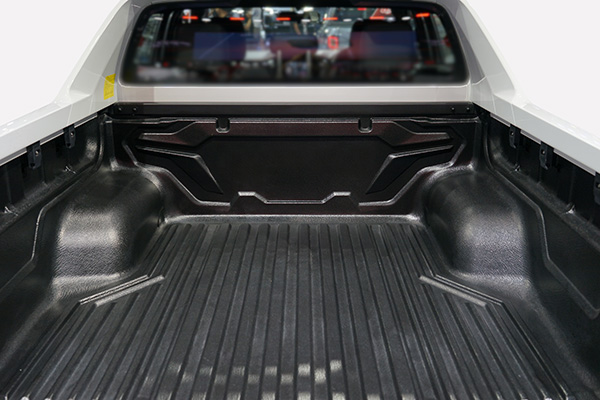
The pickup has fresh tires, a clean bed liner, and an interior that looks better than its mileage suggests. During the seller's short test drive, it starts easily and changes gears without complaint. None of that tells you what happened while the truck towed, carried tools, or idled for long days. A used truck deserves a check that reflects the work it could have done. The findings below don't all mean you should walk away. They do change the purchase calculation, especially when the asking price leaves little room for repairs, or the truck is expected to go straight to work. 1. Rust or Repairs at Load-Bearing Mounts Surface discoloration on a frame is different from heavy scaling, thinning metal, or cracking near suspension and body mounts. Brake lines and crossmembers also deserve close attention. A shiny body can hide an underside that needs far more than ... read more
Posted on 8/28/2026
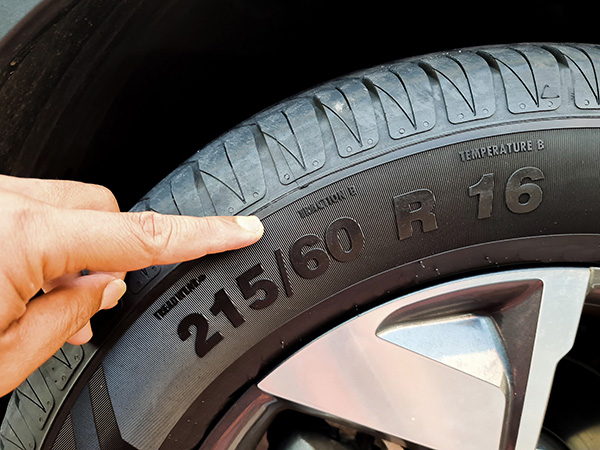
A bubble on the sidewall of a tire is hard to miss once you see it. The tire may still hold air, the car may drive normally, and there might not be any warning light on the dashboard. That can make the damage seem less serious than it really is. What you are seeing is not extra air trapped under the rubber. A sidewall bulge means the tire's internal structure has been damaged enough for air pressure to push outward where the tire is no longer properly supported. A Hard Impact Is the Most Common Reason Potholes, curbs, and sharp road edges can hit a tire hard enough to damage the cords inside the sidewall. The outside rubber may survive the impact without splitting, but the internal reinforcement can break. We often see this after a driver remembers hitting a pothole but does not notice anything wrong until later. Sometimes the bubble appears almost immediately. Other times, the weakened area becomes more obvious after several drives as normal tire pressure cont ... read more
Posted on 7/31/2026

Traditional cruise control is helpful on long highway drives, but it has one obvious limitation. It keeps your vehicle at the speed you selected even when traffic ahead begins to slow down. You have to brake, cancel the system, and reset your speed once the road opens again. Adaptive cruise control takes a more active approach. It can monitor the vehicle ahead and automatically adjust your speed to maintain a selected following distance. When traffic slows, your vehicle may reduce the throttle or apply the brakes. When the lane clears, the system can accelerate back toward the speed you originally set. At our shop, we see more vehicles equipped with adaptive cruise control every year. Drivers often enjoy the added convenience, especially during long trips or busy highway commutes. The technology can reduce some of the constant speed adjustments that make driving tiring, but it still requires an attentive driver and properly functioning sensors. We believe that understanding how the s ... read more
Posted on 6/26/2026
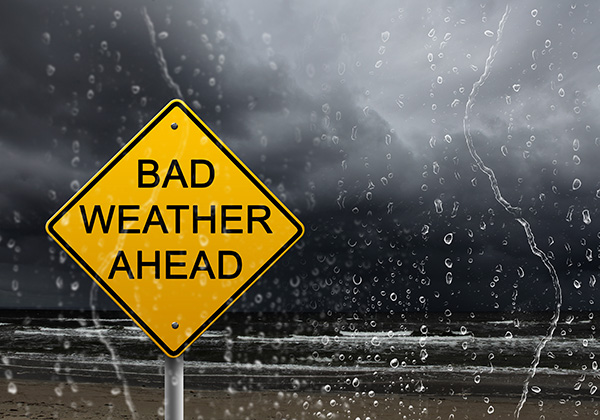
Summer has a way of making drivers think mostly about air conditioning, road trips, and hot pavement. Then a thunderstorm rolls in out of nowhere, the sky opens up, and suddenly your windshield wipers become the most important part of the car for the next ten minutes. At our shop, we see this every year. Drivers do not think much about their wipers until the moment they really need them, and that is usually the moment they find out the blades are overdue. The problem is that summer thunderstorms are not gentle tests. They come with heavy rain, fast-changing visibility, road spray, and sometimes the kind of downpour that makes the whole road feel narrower in seconds. If your wipers are streaking, skipping, or barely clearing the glass, that is not just annoying. It is a safety problem. The good news is that wipers are one of the simplest maintenance items on your vehicle. They are easy to overlook, but they are also easy to stay ahead of. And when summer weather gets unpredictable, th ... read more
Posted on 5/29/2026
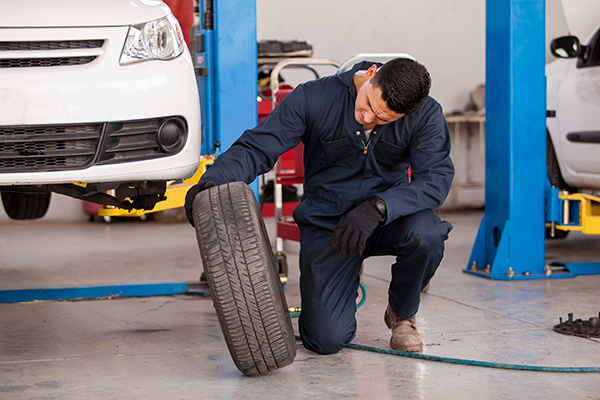
Tires rarely fail the same way a light bulb does. They do not always work perfectly one day and quit the next. Most of the time, they wear down quietly while the car still feels normal enough to drive. That is what makes tire replacement easy to put off. A tire can look decent from a few feet away and still be too worn, too old, damaged, or uneven to trust for daily driving. Knowing what to look for helps you replace tires before they affect braking, handling, or wet-road traction. Check The Tread Depth First Tread depth is the easiest place to start. The tread grooves help move water away from the tire so the rubber can stay in better contact with the road. As the tread gets shallower, the tire has less ability to handle rain, standing water, and quick stops. Many tires have built-in wear bars inside the grooves. When the tread is level with those bars, the tire is at the end of its usable life. You can also use a tread depth gauge for a more accurate reading. D ... read more
Posted on 4/30/2026
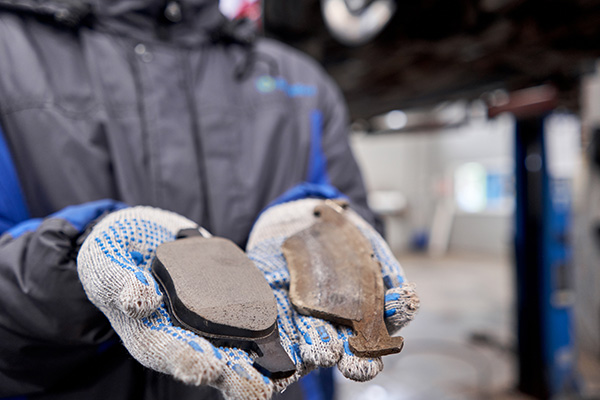
Brake pads are designed to wear down over time, but they should not wear out unusually quickly. When pads need replacement much sooner than expected, something else is usually contributing to the problem. Many drivers only notice it during service, when they are told the pads are already worn out again. Fast brake wear is not just about cost. It can point to issues that affect braking performance and overall safety if left unchecked. Driving Habits Play a Bigger Role Than You Think Frequent hard braking is one of the most common reasons brake pads wear out quickly. Stop-and-go traffic, aggressive driving, or riding the brakes downhill all increase friction and heat. That added heat speeds up the breakdown of the pad material. Even small changes in driving style, like coasting more and braking gradually, can help extend pad life over time. City Driving vs Highway Driving Where you drive matters just as much as how you drive. City driving puts more ... read more
Posted on 3/27/2026
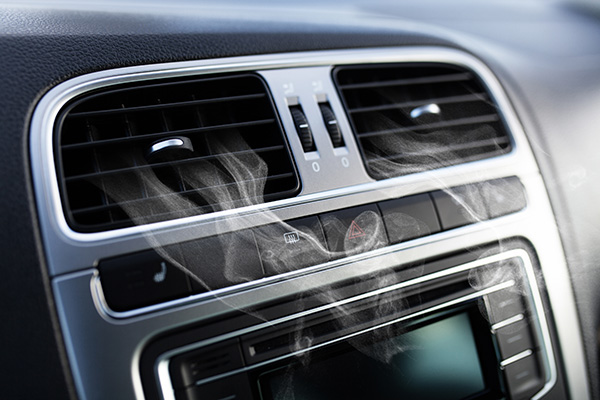
A burning smell from your car is one of those warnings that is hard to ignore, even if the vehicle still seems to be driving normally. Sometimes it shows up after a longer trip. Sometimes it hits when you stop at a light or pull into the driveway. Either way, most drivers know right away that something is not right. That smell usually means heat is meeting something it should not. Why A Burning Smell Shows Up In The First Place Cars create a lot of heat during normal operation, especially around the engine, exhaust, brakes, and belt system. When fluid leaks onto a hot surface, a component starts dragging, or a part begins overheating, the first clue is often smell instead of noise. That is why a burning odor can show up before a warning light or obvious failure. The timing of the smell usually helps narrow things down. If it happens after braking, the source may be diff ... read more
Posted on 2/27/2026
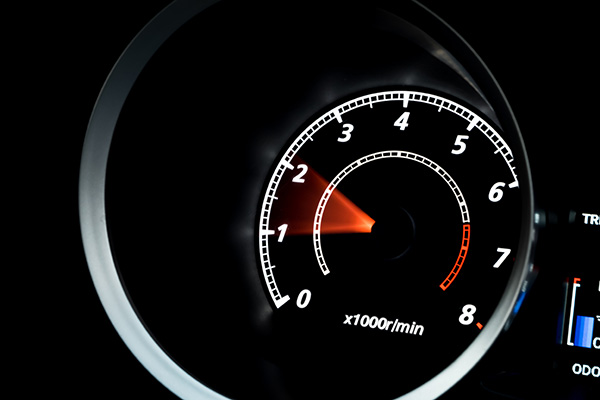
A rough idle in the morning can feel like the car is half-asleep. The engine may shake a bit, the RPM may hunt up and down, or it might feel like it wants to stall for the first minute. Then, once you start driving or the engine warms up, it smooths out and acts normal. That pattern usually means something is marginal during cold start, when the engine needs the cleanest fuel and air control to run well. Cold starts are also when sensor, ignition, and airflow issues are most apparent. Fuel does not atomize as easily, oil is thicker, and the engine is running a different strategy until it reaches temperature. If morning roughness is becoming routine, it is worth tracking down the cause instead of living with it. Cold Start Behavior That Points To A Cause If the idle is rough only for 20 to 60 seconds and then settles, think about ignition strength and air control. If it lasts several minutes, the issue may be related to fueling, a vacuum leak, or temperat ... read more
Posted on 1/30/2026
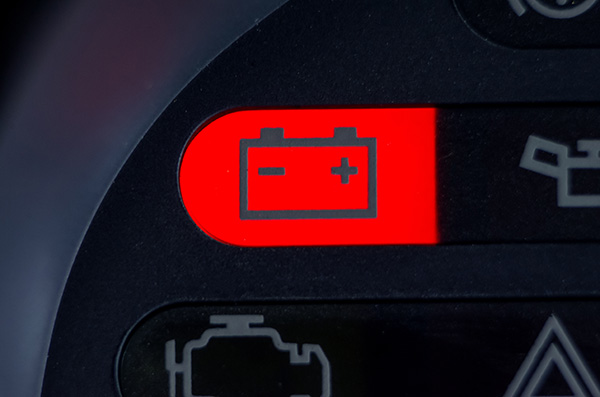
That battery light can flip on at the worst possible time, right when you’re merging, running late, or driving at night with everything powered up. The car may feel normal for a minute, which is what makes it so stressful. You’re stuck wondering if it’s a false alarm or the start of a shutdown. The faster you sort out whether it’s the alternator, the battery, or something supporting the charging system, the better your odds of avoiding a tow. What The Battery Light Is Actually Warning You About Most drivers see the word battery and assume the battery is failing. In many cases, the light is really saying the charging system is not keeping voltage where it should while the engine is running. The alternator powers the vehicle and recharges the battery after starting. If the alternator output drops, the car begins running on battery reserve. That reserve can keep things going briefly, but once voltage falls far enough, systems start ... read more
Posted on 12/19/2025
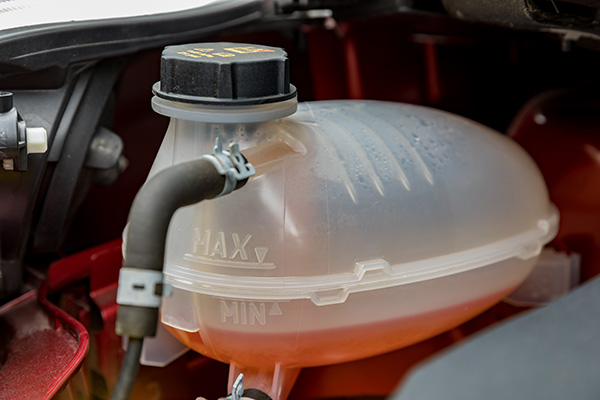
Coolant is one of those fluids people almost forget exists until they see steam or a temperature gauge climbing. What you do not see is the slow chemical change happening inside the engine long before it overheats. Old coolant quietly eats away at metal from the inside, and by the time the damage shows up, you are often looking at repairs far beyond a simple flush. Why Coolant Does More Than Just Prevent Overheating Most drivers think of coolant as colored water that keeps the engine from boiling over or freezing. In reality, it is a carefully blended fluid that also carries corrosion inhibitors, lubricants for the water pump, and additives to protect aluminum, steel, and rubber. When it is fresh, it keeps temperatures stable and surfaces protected. As miles and years go by, those protective additives are used up. The coolant still looks “wet and colorful,” but its chemistry is different. At that point, the system is far more vulnerable to ru ... read more