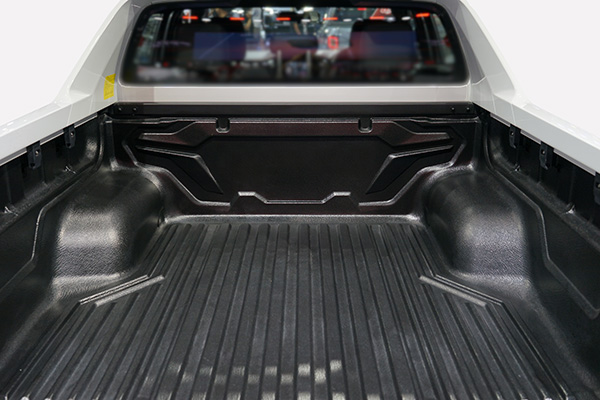
The pickup has fresh tires, a clean bed liner, and an interior that looks better than its mileage suggests. During the seller's short test drive, it starts easily and changes gears without complaint. None of that tells you what happened while the truck towed, carried tools, or idled for long days.
A used truck deserves a check that reflects the work it could have done. The findings below don't all mean you should walk away. They do change the purchase calculation, especially when the asking price leaves little room for repairs, or the truck is expected to go straight to work.
1. Rust or Repairs at Load-Bearing Mounts
Surface discoloration on a frame is different from heavy scaling, thinning metal, or cracking near suspension and body mounts. Brake lines and crossmembers also deserve close attention. A shiny body can hide an underside that needs far more than cosmetic work.
Fresh coating in one area isn't proof of concealed damage, but it justifies asking what was repaired and examining the underlying structure. Evaluate welds, reinforcement plates, or distorted hitch mounts instead of accepting the truck just because it drives straight. Structural concerns can change both repair cost and whether the vehicle suits the load you intend to carry.
2. Transmission Trouble After the Truck Gets Hot
A transmission can behave differently after enough driving to heat the fluid. Delayed engagement into drive or reverse, a flare during a shift, or a shudder under load deserves diagnosis before purchase. A seller's assurance that it only needs a fluid change doesn't establish the cause.
The road test should cover more than low-speed streets. Compare shifting, acceleration, and coasting once the drivetrain is warm, without exceeding safe conditions or loading an unfamiliar truck as an experiment. Fluid conditions, leaks, codes, and service records add context. The expensive question is whether the symptom comes from a serviceable control fault or internal wear.
3. Four-Wheel Drive That Doesn't Actually Engage
An illuminated selector switch doesn't prove that all the required hardware has engaged. Transfer-case controls, front-axle components, hubs, and related wiring can fail while the truck still drives normally in two-wheel drive. A used four-wheel-drive truck should not be priced as fully functional without checking the system.
Testing must follow the design and the conditions allowed in the owner's information. Locked four-wheel-drive modes should not be tested on dry pavement where they can bind. Listen for unusual noise and check for leaks, axle boots (where fitted), and tire matching. A system that is difficult to disengage needs explanation too, not just one that fails to engage.
4. Modifications That Don't Fit the Intended Load
Larger tires, lift components, helper springs, or an aftermarket hitch change what you need to check. Tire load capacity, wheel fit, brake clearance, alignment, and driveline angles can all be affected. A truck that looks prepared for heavy hauling may still have the same original vehicle and axle weight limits.
We evaluate modifications as installed, not by appearance. Ask for documentation and compare the setup with your intended use. Uneven tire wear, loose suspension hardware, or a driveshaft vibration can turn a desirable upgrade into another repair. Added springs or higher-rated tires do not automatically increase the manufacturer's permitted vehicle load.
5. Engine Wear or Emissions Problems Hidden by a Brief Drive
A cold start lets you hear initial noises, watch for smoke, and assess cranking. Once warm, check the engine under a reasonable load. On a diesel, warning history and emissions-system operation deserve attention along with fuel, cooling, and lubrication concerns.
Engine hours can add context when available, particularly on trucks with substantial idling. They don't prove neglect by themselves. Missing emissions equipment, unexplained wiring changes, persistent pressure or overheating concerns, and unexplained fluid loss all justify further evaluation. Treat claims that warning lights only need clearing as unresolved questions until testing supports a repair plan.
6. Several Near-Term Repairs Arriving Together
A truck can need tires, brakes, suspension work, and a cooling-system repair without having one catastrophic defect. Together, those jobs can consume the money set aside for registration, equipment, or the first months of ownership. New brake pads alone won't settle the condition of rotors, calipers, hoses, and the opposite axle.
Ask for findings divided into immediate safety work, scheduled service, and items that can be monitored. Documentation of regular maintenance can reduce uncertainty, but it doesn't override present wear. A pre-purchase inspection cannot promise future reliability; it can tell you whether the price still makes sense once you factor in the visible work.
Get Used Truck Pre-Purchase Service In Raleigh, NC, With Don Lee's Tire & Auto
Don Lee's Tire & Auto in Raleigh, NC, can evaluate a used truck's condition and help you understand findings that could change the purchase decision.
Contact us to arrange a pre-purchase check before committing to the truck or planning its first day of work.