Traditional cruise control is helpful on long highway drives, but it has one obvious limitation. It keeps your vehicle at the speed you selected even when traffic ahead begins to slow down. You have to brake, cancel the system, and reset your speed once the road opens again.
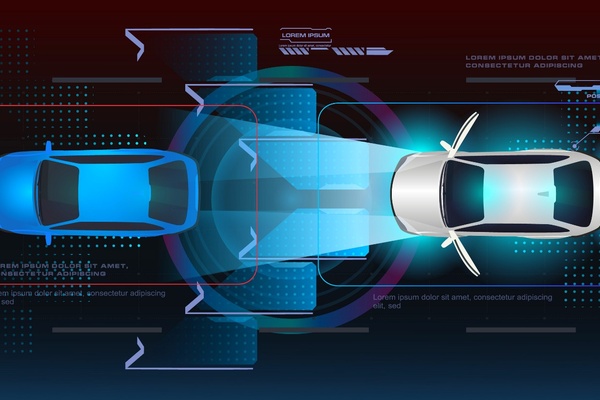
Adaptive cruise control takes a more active approach. It can monitor the vehicle ahead and automatically adjust your speed to maintain a selected following distance. When traffic slows, your vehicle may reduce the throttle or apply the brakes. When the lane clears, the system can accelerate back toward the speed you originally set.
At our shop, we see more vehicles equipped with adaptive cruise control every year. Drivers often enjoy the added convenience, especially during long trips or busy highway commutes. The technology can reduce some of the constant speed adjustments that make driving tiring, but it still requires an attentive driver and properly functioning sensors. We believe that understanding how the system works can also make warning lights, unavailable messages, and calibration needs a little less confusing.
How Adaptive Cruise Control Differs From Regular Cruise Control
Standard cruise control maintains one speed until the driver cancels it, presses the brake pedal, or changes the setting. It does not know whether another vehicle is directly ahead.
Adaptive cruise control also begins with a speed selected by the driver, but it adds the ability to detect traffic in front of the vehicle. Most systems allow the driver to choose a following distance, usually through a button on the steering wheel.
If you set the cruise control to 65 miles per hour and approach a vehicle traveling at 55 miles per hour, the system may slow your car to match the vehicle ahead. Once the slower vehicle moves away or you change lanes, adaptive cruise control can gradually return your vehicle to the selected speed.
The exact response varies by manufacturer and model. Some systems operate only above certain speeds, while more advanced versions can manage stop and go traffic.
Radar And Cameras Watch The Road Ahead
Adaptive cruise control depends on sensors that monitor the area in front of the vehicle. Many systems use radar, a forward facing camera, or a combination of both.
Radar can measure the distance and relative speed of the vehicle ahead. A camera can help identify lane markings, vehicles, and other objects. The vehicle’s control modules process that information and decide whether to maintain speed, reduce power, or begin braking.
The sensors are often located behind the grille, inside the front bumper, near the manufacturer emblem, or at the top of the windshield. Their location makes them vulnerable to dirt, snow, ice, collision damage, and improper alignment. A sensor may look small from the outside, but the information it provides affects several driver assistance features.
The System Controls Speed Through Several Vehicle Components
Adaptive cruise control does not operate as one isolated part. It communicates with the engine, transmission, braking system, and other vehicle modules.
When the road ahead is clear, the system can adjust the throttle to maintain the selected speed. If another vehicle enters your following zone, it may reduce engine power or request a downshift. If more slowing is necessary, it can apply the brakes.
Many drivers notice the system working in small stages. The vehicle may first stop accelerating, then gently slow down, and finally apply more braking if traffic continues to lose speed.
The system is designed to create a controlled response, but sudden traffic changes may still require the driver to react quickly.
Following Distance Settings Change How Early It Responds
Most adaptive cruise control systems offer multiple following distance settings. The display may show several bars, lines, or vehicle icons to represent the chosen gap.
A longer setting usually causes the vehicle to begin slowing earlier and leave more space. A shorter setting allows the vehicle to follow more closely, although the actual distance still changes based on speed.
Drivers sometimes assume the shortest setting will prevent other cars from moving into the gap, but following too closely can make the system feel busier and create more frequent speed adjustments. A longer distance often produces a smoother experience and gives the system more time to respond. Weather, visibility, road conditions, and personal comfort should all influence which setting you choose.
Some Systems Can Handle Stop And Go Traffic
More advanced adaptive cruise control systems can bring the vehicle to a complete stop when traffic stops. Depending on the vehicle, the system may begin moving again automatically if traffic resumes quickly. Other systems require the driver to tap the accelerator or press a resume button.
Stop and go capability can make slow highway traffic less tiring, but it does not turn the vehicle into a self-driving car. The driver still needs to watch for vehicles cutting in, pedestrians, construction areas, emergency vehicles, and traffic patterns the sensors may not interpret correctly. Even the most advanced adaptive cruise control system is meant to assist the driver rather than replace driver judgment.
Adaptive Cruise Control Has Important Limitations
The system works best when lane markings are clear, traffic is predictable, and the weather allows the sensors to see properly. Performance can become less reliable in heavy rain, fog, snow, direct glare, or on roads with sharp curves.
Adaptive cruise control may also have trouble with:
- Vehicles suddenly entering your lane
- Motorcycles or very small vehicles
- Stationary objects
- Vehicles leaving the lane during a curve
- Construction zones
- Steep hills
- Dirty or blocked sensors
A driver should never assume the system will recognize every hazard. Keeping your foot ready near the brake pedal is still a smart habit, especially in changing traffic.
Why The System May Suddenly Become Unavailable
Drivers are sometimes surprised when an adaptive cruise control warning appears even though the vehicle seems to drive normally. The feature may shut itself off when it cannot trust the information coming from its sensors.
A radar sensor covered with road salt, mud, snow, or ice can cause an unavailable message. A dirty windshield near the forward camera can create similar trouble. Low battery voltage, communication faults, damaged wiring, brake system problems, or software issues may also disable the feature.
Cleaning the sensor area may solve a temporary blockage, but repeated warnings deserve proper diagnosis. Continuing to reset the system without identifying the cause can hide a growing electrical or calibration problem.
Adaptive Cruise Control Works With Other Safety Features
The same sensors used for adaptive cruise control may also support forward collision warning, automatic emergency braking, lane assistance, or pedestrian detection. A fault affecting one sensor can disable several features at the same time. You might see multiple warning messages even though they all trace back to one blocked camera, damaged radar unit, wiring problem, or calibration issue.
Because these systems overlap, guessing based on a single dashboard message is rarely the best repair strategy. A diagnostic scan can reveal which modules have reported faults and whether the problem involves visibility, communication, power, or calibration.
Can You Still Drive If Adaptive Cruise Control Stops Working
In many cases, the vehicle can still be driven when adaptive cruise control is unavailable. You will need to control speed and following distance manually, just as you would in a vehicle without the feature.
The warning should not be ignored if other symptoms appear. Brake warning lights, collision system alerts, steering problems, camera faults, or electrical issues may indicate a broader concern.
A system that fails after a minor collision or windshield replacement should also be inspected promptly. The vehicle may feel normal while an important driver assistance feature is not aimed or responding correctly.
Proper Maintenance Helps The System Work Reliably
Keeping the windshield, grille, bumper, and sensor covers clean can prevent many temporary problems. Use care when installing grille accessories, license plate brackets, bumper guards, or windshield tint near sensor areas.
It is also important to address alignment problems, warning lights, damaged bumpers, and weak batteries. Adaptive cruise control relies on stable electrical power and accurate information from multiple parts of the vehicle.
If your adaptive cruise control is unavailable, braking unexpectedly, failing to detect traffic, or showing repeated warnings, bring your vehicle to the team at Don Lee's Tire & Auto in Raleigh, NC. We can inspect the sensors, scan the control modules, check related systems, and determine whether the vehicle needs a repair, software service, or calibration.